Con la llegada del horario de verano, el aumento de las horas de luz y las temperaturas más altas pueden afectar el consumo energético de tu hogar. Ajustar tus hábitos a esta nueva temporada te ayudará a ahorrar energía, reducir tus facturas de servicios y disminuir tu huella de carbono. A continuación, se presentan algunos consejos efectivos para hacer una transición exitosa durante el horario de verano, manteniendo tu casa cómoda y eficiente.
1. Maximiza la Luz Natural
A medida que aumentan las horas de luz, aprovecha la iluminación natural para reducir el uso de luces artificiales.
- Abre persianas y cortinas durante la tarde y noche para que la luz del sol ilumine tu hogar.
- Utiliza superficies claras o reflectantes en el interior para potenciar la distribución de la luz natural.
- Cambia a bombillas LED, las cuales consumen un 75% menos de energía que las bombillas incandescentes y tienen una vida útil más larga (ENERGY STAR).
2. Optimiza el Clima Interior sin Abusar del Aire Acondicionado
Aunque las horas de luz pueden tentar a encender el aire acondicionado antes, existen alternativas ecológicas para mantener tu hogar fresco:
- Cierra persianas o cortinas por la mañana para bloquear el calor del sol.
- Utiliza ventiladores de techo para circular el aire de manera eficiente, reduciendo la necesidad de AC.
- Abre las ventanas por la noche para permitir la entrada de aire fresco y mejorar la ventilación.
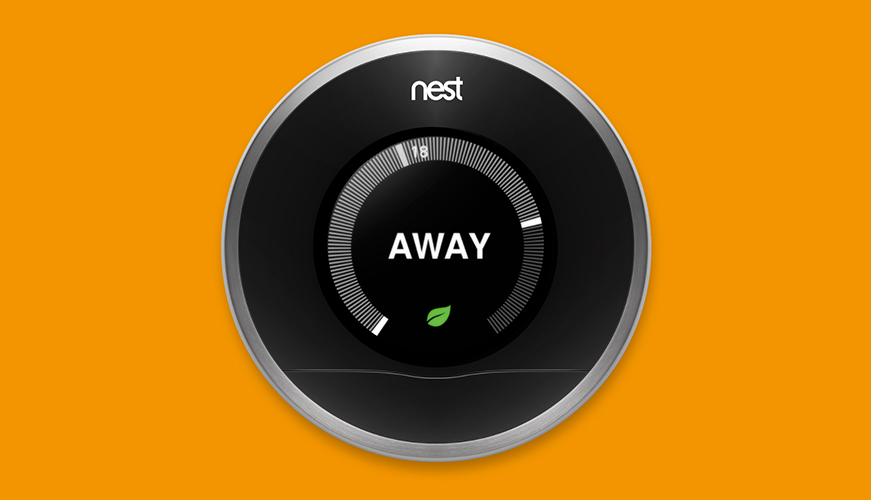
- Considera un termostato inteligente, que puede reducir los costos de enfriamiento hasta en un 10% anual (Department of Energy).
3. Mantenimiento de Primavera para la Eficiencia Energética
El horario de verano es el momento ideal para realizar mantenimientos en el hogar que mejoren la eficiencia energética:
- Sella las fugas de aire en puertas y ventanas usando burletes o masilla para mantener las temperaturas interiores estables.
- Limpia o reemplaza los filtros de aire en los sistemas HVAC para mejorar el flujo y la eficiencia del aire.
- Revisa el calentador de agua y considera aislar las tuberías para minimizar la pérdida de calor.
- Limpia las canaletas para prevenir daños por agua que puedan afectar el aislamiento y la circulación del aire.
4. Utiliza el Paisajismo para un Control Natural del Clima
El paisajismo exterior puede desempeñar un papel fundamental en la reducción del consumo energético, especialmente cuando el horario de verano prolonga la exposición solar:
- Planta árboles caducifolios en los lados este y oeste de tu hogar para proporcionar sombra en verano y permitir el paso de la luz en invierno.
- Ubica arbustos y setos cerca de las ventanas para que actúen como un aislante natural y ayuden a regular la temperatura interior.
- Evita plantar árboles altos al sur que puedan bloquear la luz solar beneficiosa en invierno.
5. Ajusta la Configuración de Tu Termostato
Con el cambio en las rutinas diarias durante el horario de verano, es el momento perfecto para actualizar los ajustes de tu termostato:
- Configura el termostato a 26°C (78°F) en los meses más cálidos para lograr una eficiencia energética óptima.
- Utiliza un termostato programable o inteligente para ajustar automáticamente la temperatura cuando no estés en casa.
- Los termostatos inteligentes pueden ahorrar entre un 10% y un 30% en los costos de calefacción y enfriamiento (ENERGY STAR).
6. Reduce el Desperdicio de Agua y Energía
El calentamiento de agua representa el 18% del consumo energético de un hogar, por lo que realizar pequeños cambios puede marcar una gran diferencia:
- Instala cabezales de ducha y grifos de bajo flujo para conservar agua caliente.
- Utiliza agua fría para lavar la ropa, lo que además ayuda a prevenir el desgaste de las prendas.
- Repara las fugas de inmediato; un grifo que gotea puede desperdiciar más de 11,000 litros de agua al año (EPA WaterSense).
7. Desenchufa y Ahorra
Con el aumento de las horas de actividad durante el horario de verano, es probable que se utilicen más dispositivos electrónicos y electrodomésticos. Reduce la pérdida de energía «fantasma» mediante estos consejos:
- Desenchufa los dispositivos cuando no los estés utilizando.
- Utiliza regletas inteligentes que apagan automáticamente los aparatos que consumen energía en modo inactivo.
- Apaga las luces en habitaciones desocupadas para evitar el consumo innecesario de electricidad.
Disfruta de un Horario de Verano Eficiente
El horario de verano es el momento perfecto para reevaluar tus hábitos energéticos y realizar ajustes que beneficien tanto a tu hogar como al medio ambiente. Siguiendo estos consejos de ahorro de energía, podrás disfrutar de días más largos y noches más cálidas sin que tus costos energéticos se disparen.
Con pequeños cambios y una gestión inteligente, es posible aprovechar al máximo la energía natural y reducir significativamente tu huella de carbono. ¡Adapta tus hábitos y disfruta de un horario de verano más eficiente y sostenible!